Worth knowing
200
That is how many were left in 1960. Through the German occupation they were the only meat in these mountains, and the men hiding here ate what there was.
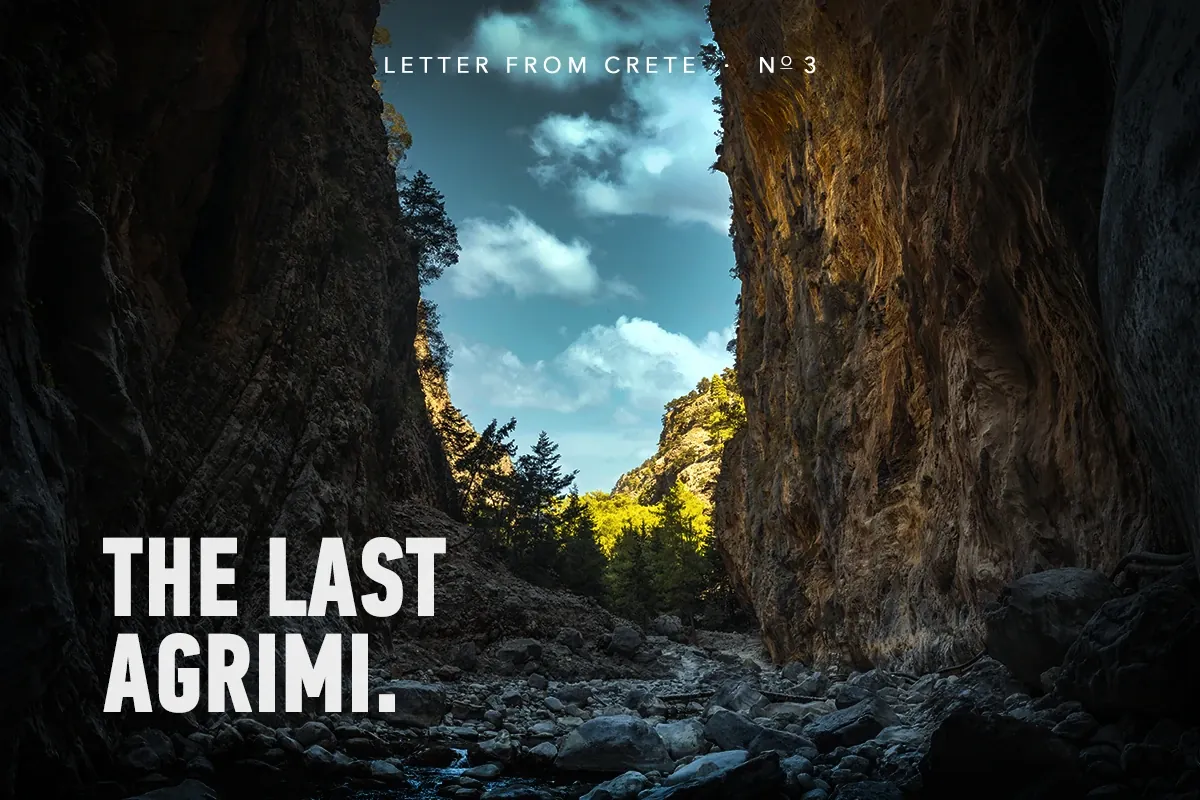
In 1962, the gorge was made a national park, mostly for the kri-kri. The village of Samaria stood inside it. Its last inhabitants left that year so the park could exist.
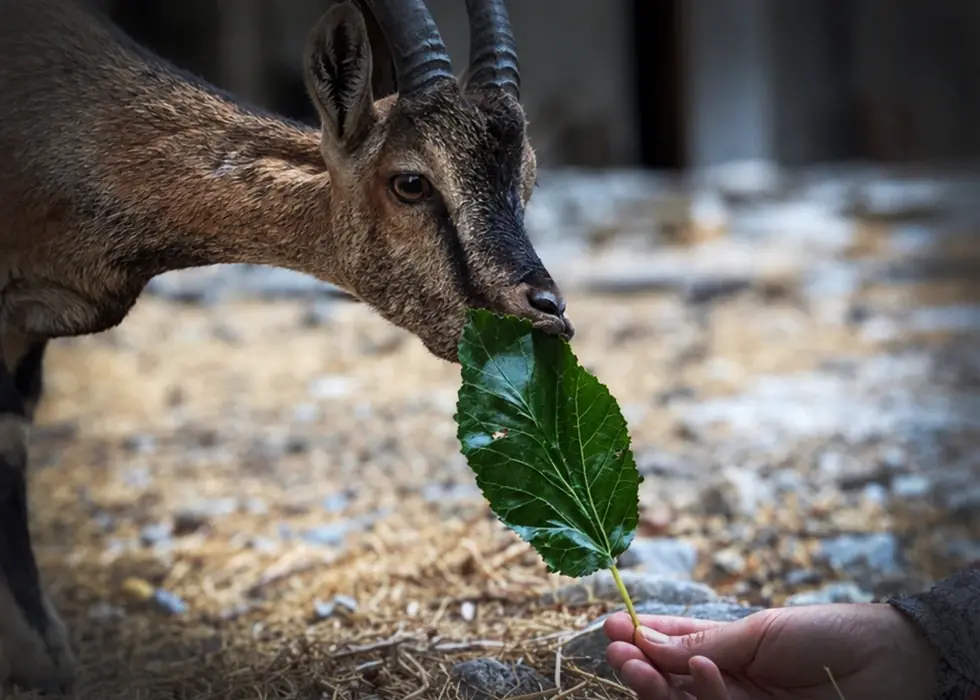
A village was emptied so an animal could survive. It worked. Today there are about 2,000.
Nothing hunts it anymore. But that is not the same as safe.
It is being bred out instead, hybridized with ordinary farm goats, inside the park itself. And underneath that, the oldest fact: the agrimi was never wild to begin with. The molecular evidence says it descends from the first domesticated goats of the eastern Mediterranean, stock that got loose around 8000 BC. It escaped the farm. It is being walked back in, one leaf at a time.
Its picture is on rental cars, hotel signs, bottle labels. There are more kri-kri on Crete’s packaging than on its mountains.
And this week, a village did the opposite of what Samaria did.
The gorge has been closed repeatedly these past weeks, most recently yesterday, when forecast rainfall crossed its limits. Agia Roumeli sits at the southern exit. It has no road. The gorge is its only way in and its whole income. So the residents voted to unlock the gate themselves and keep it open through October 3.
A village with no road and one season was told to choose between the rules and the year.
Everything in this gorge has learned the tourist economy. Even the animal it was built to protect.
The last wild one has probably already been born.